











What are the differences between heat strengthened glass, fully tempered glass, and heat-soaked glass?
The core distinctions between these three types of glass lie in their strength, safety properties, and suitable applications, here are some tips for you:
I. Strength and Fragmentation Characteristics
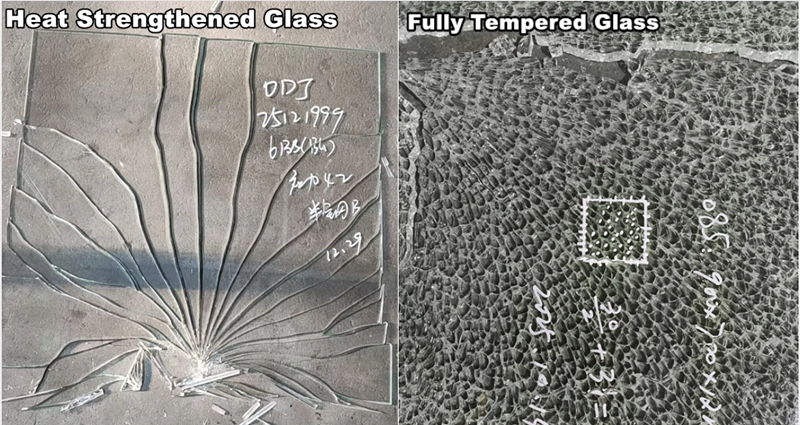
Heat Strengthened Glass: Possesses twice the strength of ordinary glass. Upon breakage, it fractures into large, radial cracks. While lacking sharp edges, the entire pane may fall as a single piece, posing a risk of injury.
Fully Tempered Glass: Four to five times stronger than ordinary glass. Breaks into blunt, honeycomb-like particles that rarely cause cuts, classified as nationally certified safety glass.
Heat-Soaked Glass: Reduces spontaneous breakage through thermal treatment. Breaks similarly to fully tempered glass but carries lower risk of spontaneous failure.
II. Safety and Certification
Heat Strengthened Glass: Not classified as safety glass. Upon breakage, large fragments with sharp edges may cause severe injury.
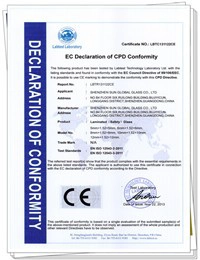
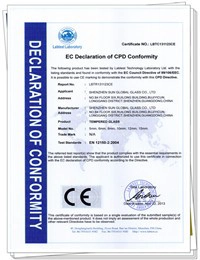
Fully Tempered Glass: Requires mandatory national certification (e.g., 3C, CE, SGCC) with stringent physical and chemical performance testing.
Heat-Soaked Glass: Reduces spontaneous breakage through thermal treatment, offering enhanced safety.
III. Applications
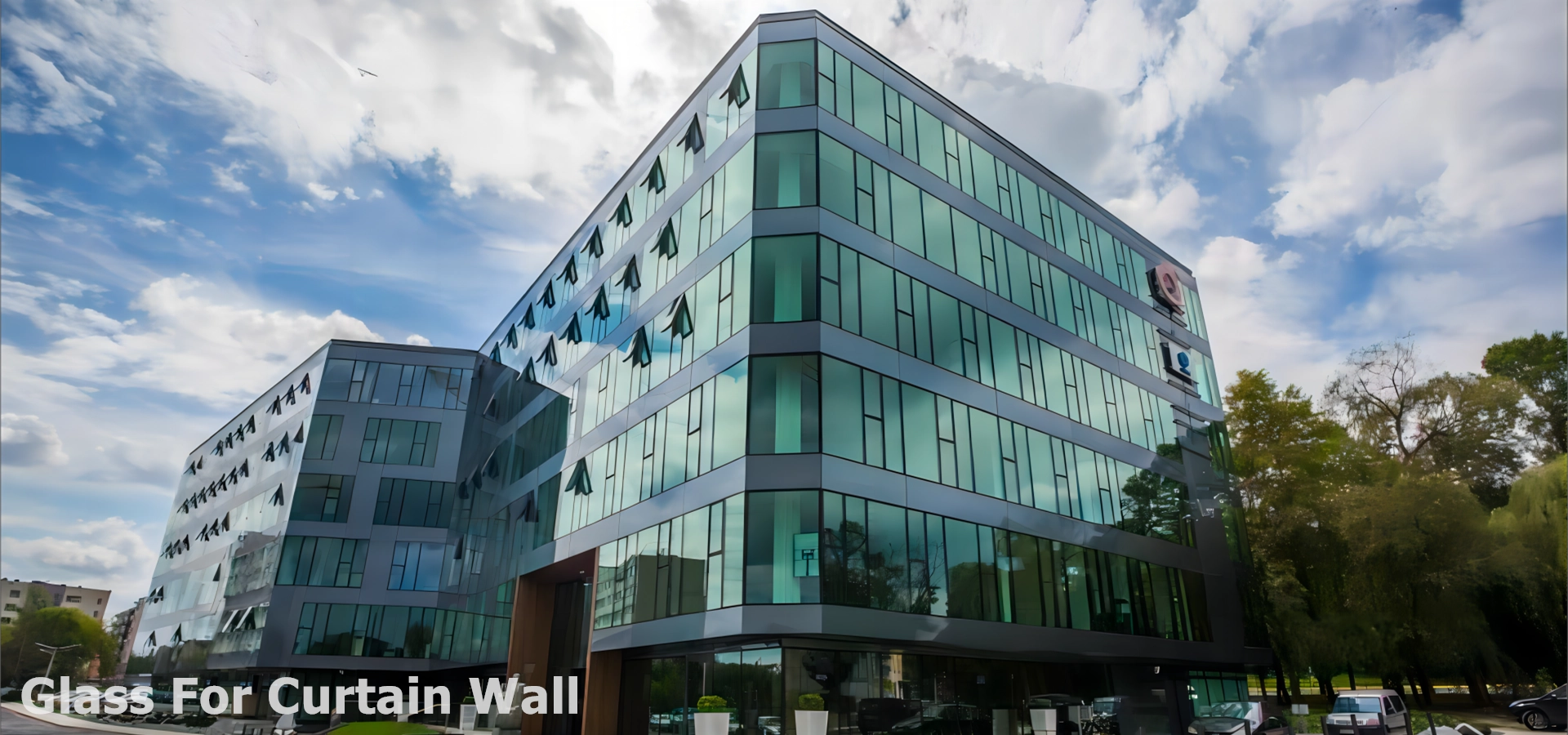
Heat Strengthened Glass: Commonly used in curtain walls, though not suitable for standalone curtain wall applications.
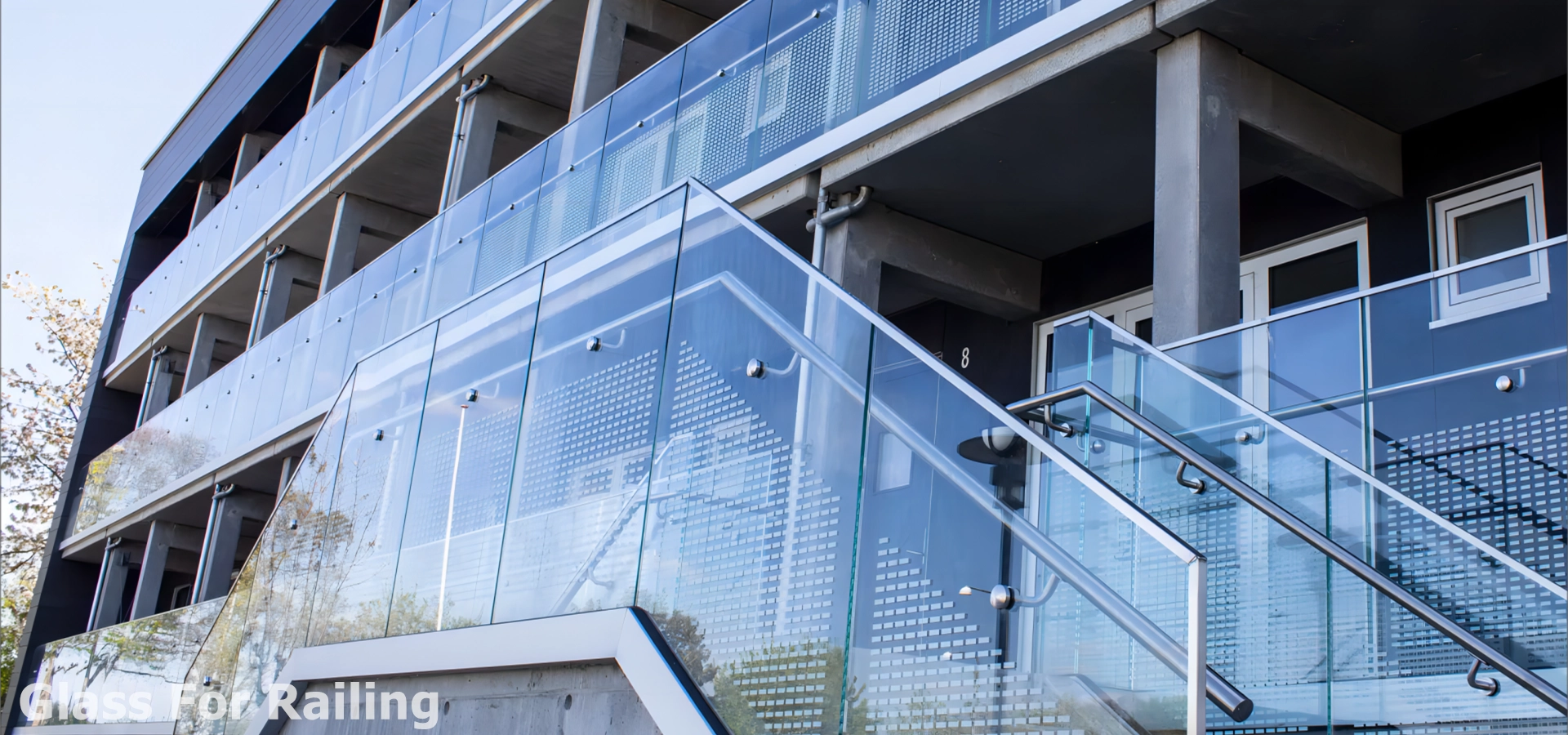
Fully Tempered Glass: Suitable for glass doors, high-end architectural curtain walls, escalator guardrails, telephone booths, and display cabinets, etc.
Heat-Soaked Glass: Suitable for locations demanding extremely low spontaneous breakage rates, such as high-rise building curtain walls.
IV. Production Processes
Heat Strengthened Glass: Production process resembles that of fully tempered glass, but the air pressure during rapid cooling is lower than the process requirements for fully tempered glass.
Fully Tempered Glass: Heated to 620°C before rapid cooling, forming a surface compressive stress layer of ≥69 MPa.
Heat-Soaked Glass: It is subjected to high-temperature and high-pressure treatment in a thermal tempering furnace, triggering the breakage of glass with uneven internal stresses or inherent self-explosion risks.
We are glass processing factory in China over 30 years, if you require further information regarding architectural glass, please do not hesitate to contact us any time.